Design Systems

Building scalable, consistent design systems that empower teams to create cohesive user experiences across multiple products and platforms.

While these examples illustrate my contributions to past projects, they are original interpretations rather than precise reproductions, made to honor the intellectual property rights of the companies I previously worked for.
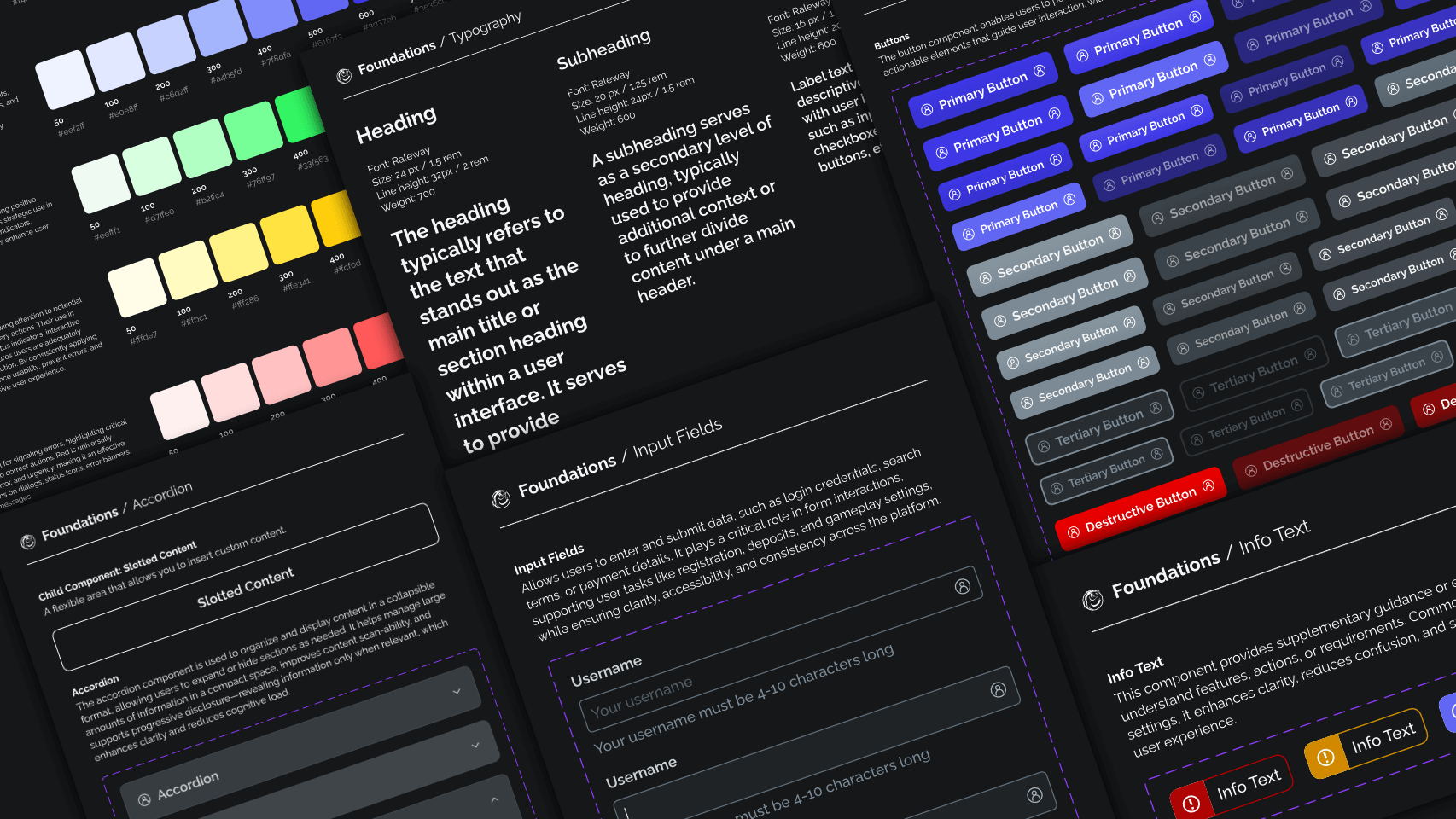
Design Systems Cover Image

Project Overview

This initiative was aimed at empowering non-technical stakeholders, such as designers and product teams, to easily design new features and apply consistent branding across multiple casino titles. Additionally, it served as a reference for developers, helping them understand the structure, behavior, and implementation of approved UI components within the system. The result was improved design–dev alignment, greater efficiency in feature development, and a more cohesive user experience across platforms.
Objectives

Consistency

Establish unified visual language and interaction patterns across all digital touchpoints.

Scalability

Create reusable components and tokens that grow with the product ecosystem.

Efficiency

Reduce design and development time through standardized components and guidelines.

Design Process

1. Audit & Analysis
Comprehensive review of existing UI patterns, identifying inconsistencies and opportunities for standardization.
2. Token Definition
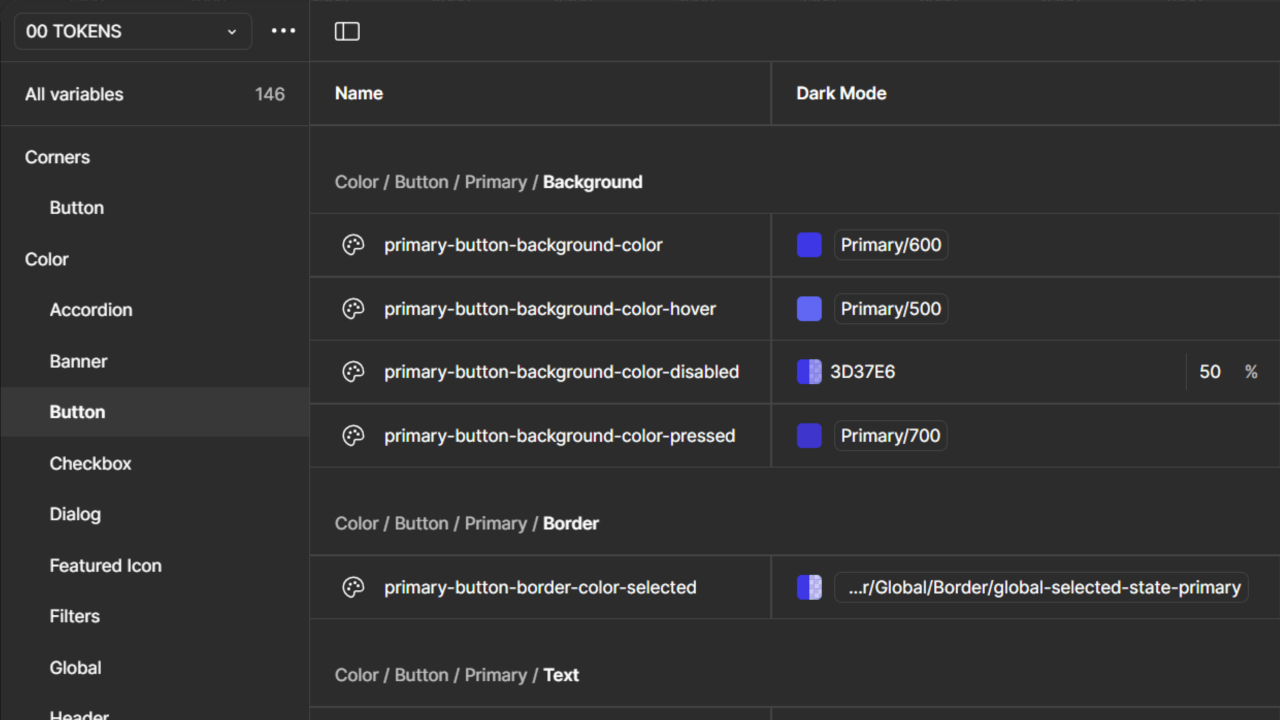
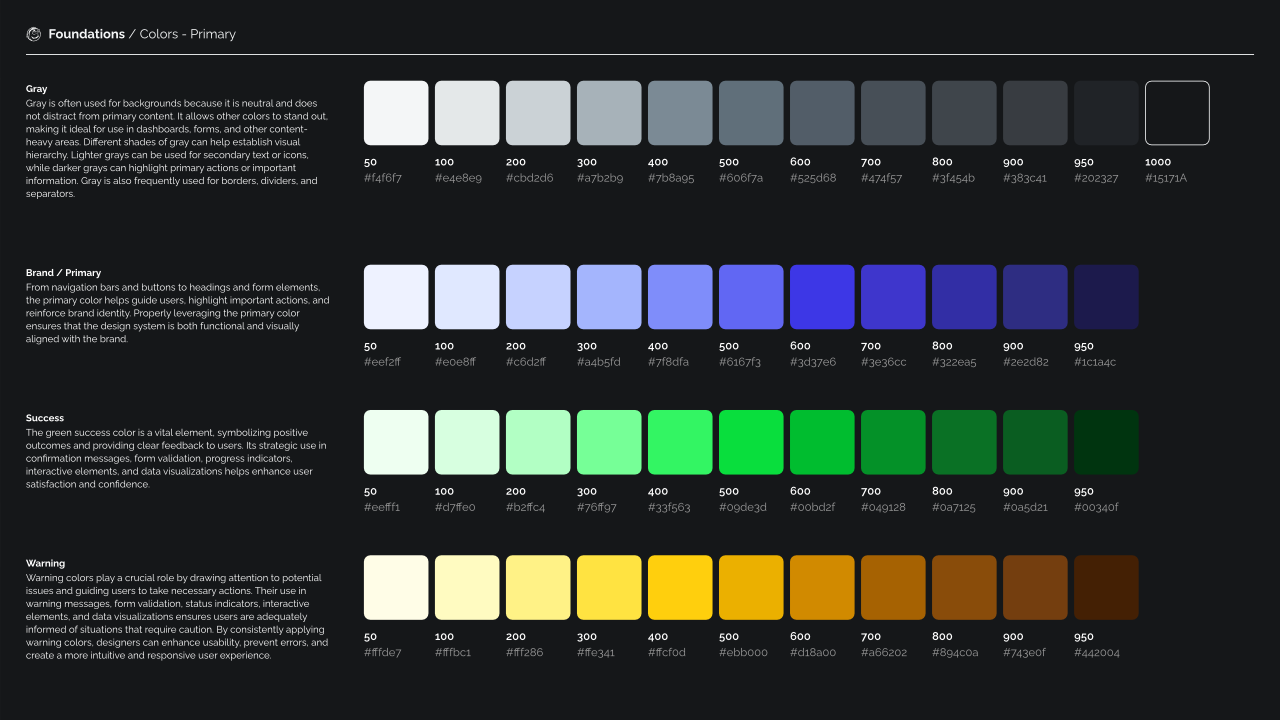
Establishing design tokens for colors, typography, spacing, and other foundational elements.
3. Component Library
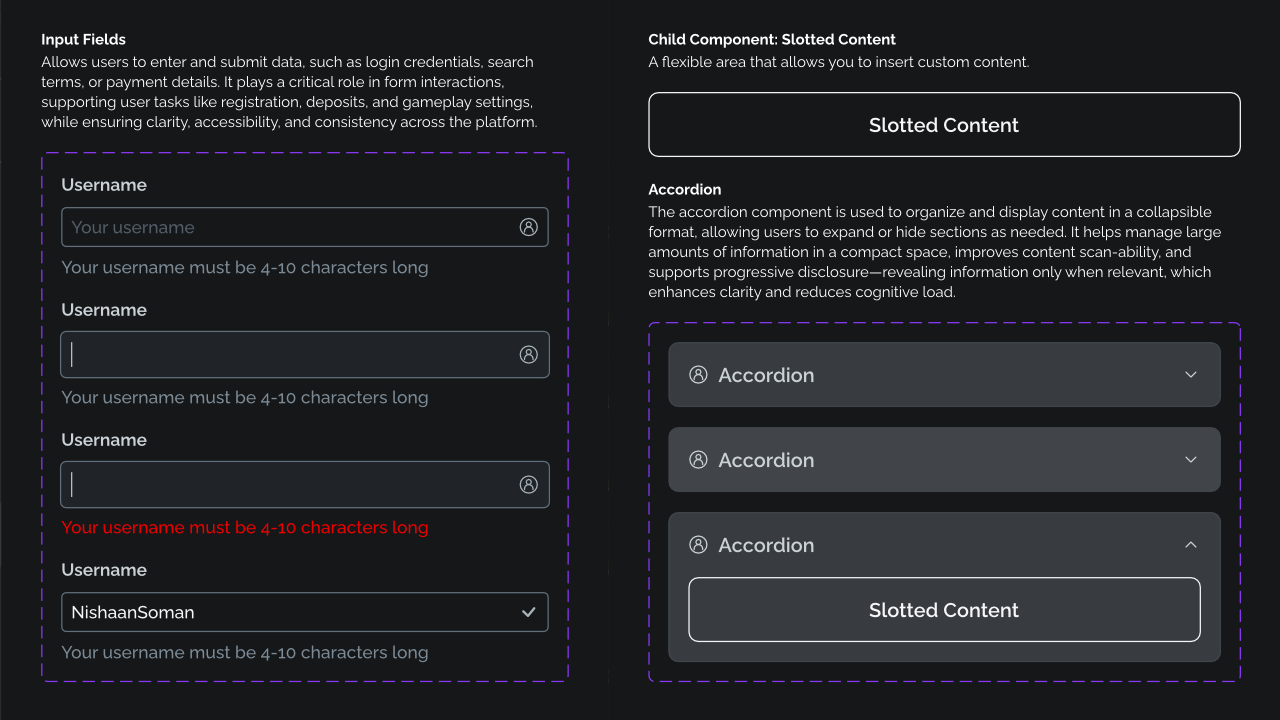
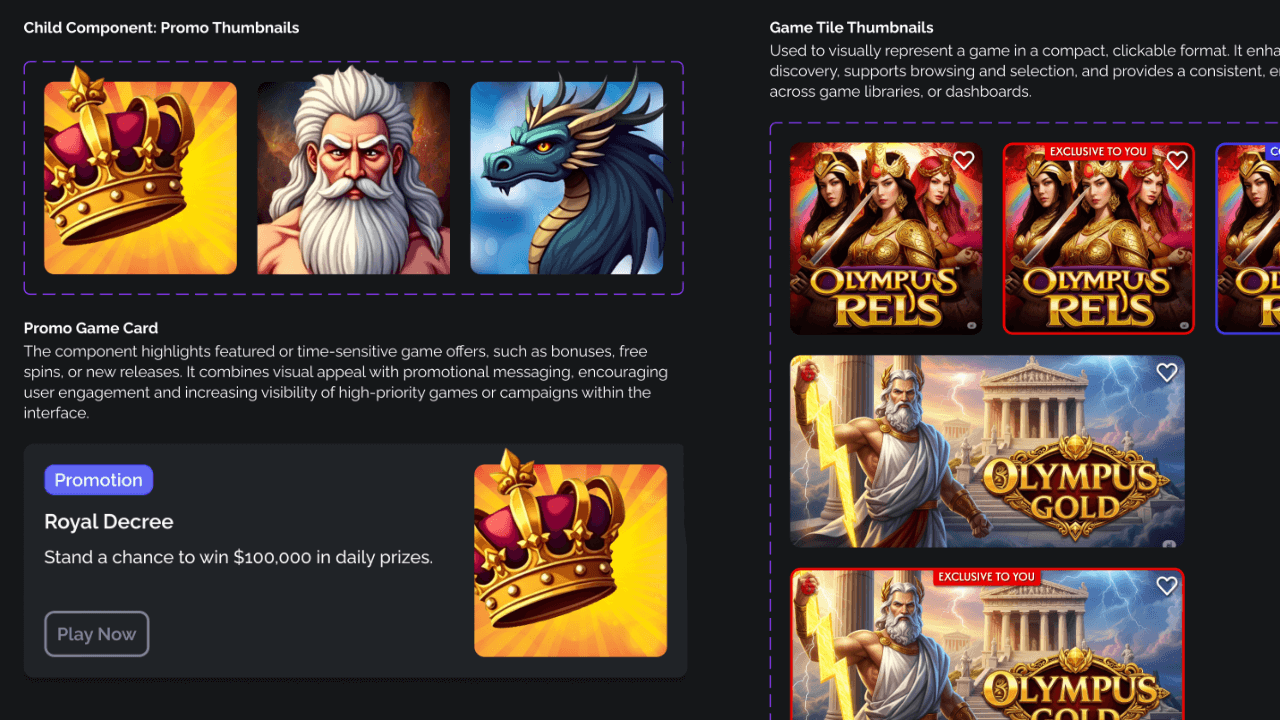
Creating reusable, accessible components with comprehensive documentation and usage guidelines.
4. Implementation & Adoption
Rolling out the system across teams with documentation, and ongoing support.
Figma Tokens
Color Palette
Figma Components
Figma Game Card Component

Key Learnings

  • Collaboration is key: Successful design systems require close partnership between design, development, and product teams from the start.

  • Start small, think big: Begin with core components and gradually expand based on real usage patterns and team needs.

  • Documentation drives adoption: Clear, accessible documentation is crucial for team adoption and system maintenance.